
Expanding access to clinical trials, powered by local capability and metropolitan partnerships
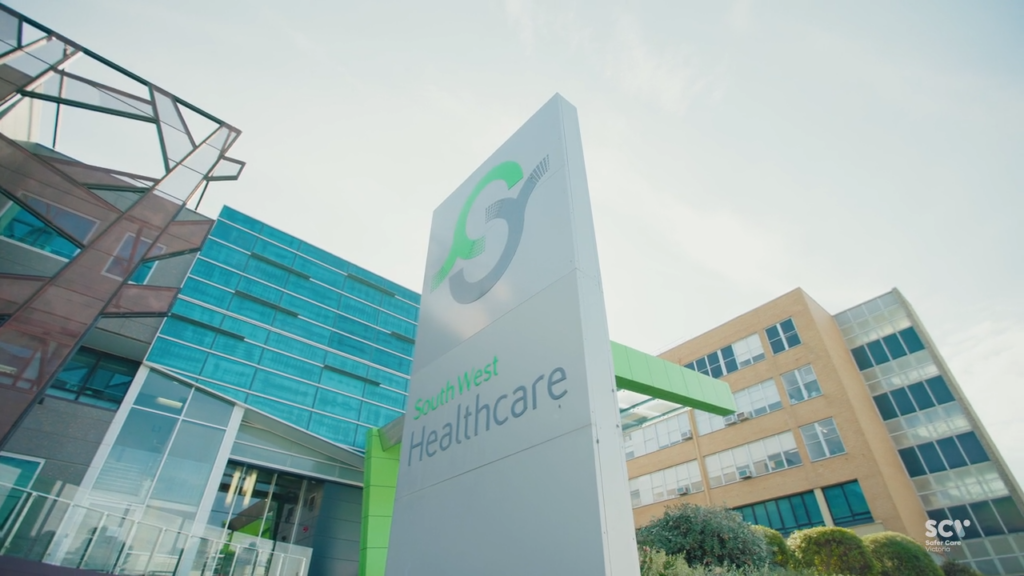
Investment in local infrastructure and in building workforce capability and capacity, supported by a metropolitan Principal Investigator 260km away, has enabled the delivery of high-quality trials using the flexible teletrial methodology. Teletrials involve numerous medical staff and researchers from hospitals and health services in different locations. They use digital telecommunication to work as one team to conduct clinical trials closer to where patients live.
Advancing Post-Intensive Care treatment for Regional, Rural and Remote Communities with icuRESOLVE
Recovery from critical illness extends beyond discharge from the Intensive Care Unit. Many ICU survivors face ongoing physical, cognitive, and psychological challenges as they adjust to life after critical illness, often feeling isolated and uncertain about what to expect, especially if they live in regional, rural and remote areas. The icuRESOLVE Peer Support Program clincial trial was developed to improve standard of care offerings by providing education, practical recovery strategies, and opportunities for connection with others who have shared similar experiences.
Life comes full circle

When Dr Shyamsundar Muthuramalingam joined a clinical trial in 2018 as a person living with kidney disease, he could not have imagined that years later he would be working in a regional health service conducting that same trial.
“Nra:gi Ya:yun”: First Nations Teletrial puts culture and community at the centre of diabetes

Across Australia, Type 2 diabetes and metabolic syndrome continue to disproportionately impact First Nations communities. But in Murray Bridge, something different is happening. ‘Nra:gi Ya:yun’ – meaning healthy foods, is a community-led teletrial co-designed with the community. This is more than a clinical trial. It’s a new way forward, where research is led by the community, grounded in culture, and designed to create lasting change. ‘Nra:gi Ya:yun’ shows what’s possible when innovation and tradition come together to improve health outcomes for First Nations people.